
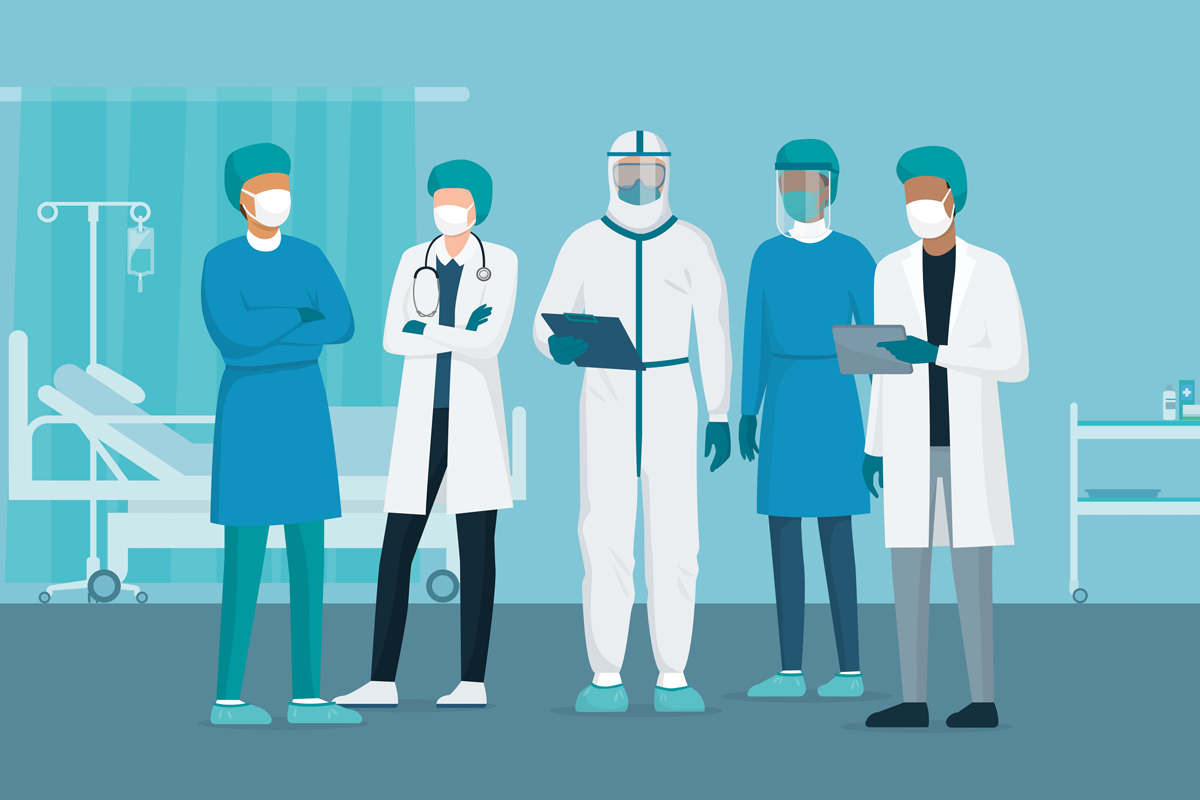
Many people assume that working in healthcare means spending years in medical school. In reality, the American healthcare system includes dozens of positions that do not require a medical degree but still offer stable employment, career growth, and competitive pay.
For immigrants, career changers, and people looking for a faster path into the workforce, healthcare can be one of the most attractive industries in the country.
Why Healthcare Remains One of the Most Stable Industries
Hospitals, surgical centers, clinics, and healthcare networks operate year-round. Unlike many industries, healthcare continues to hire even during economic downturns because patient care never stops.
That creates opportunities for people who want:
- Stable employment
- Predictable schedules
- Employee benefits
- Long-term career growth
- Opportunities to increase income over time
Many healthcare support roles can be entered much faster than nursing or other licensed professions.
Popular Healthcare Jobs Without a Medical Degree
Sterile Processing Technician
One of the fastest-growing healthcare support careers is Sterile Processing Technician.
These professionals clean, inspect, assemble, package, and sterilize surgical instruments used in medical procedures. Every operating room depends on properly processed instruments before surgery can begin.
The role combines technical skills, organization, attention to detail, and healthcare standards.
Many employers prefer candidates who hold a CRCST certification, which is why specialized training programs have become increasingly popular.
Patient Care Technician
Patient Care Technicians assist nurses and help patients with daily activities, transportation, and basic care tasks.
This position typically involves direct patient interaction and may require additional certifications depending on the employer.
Medical Assistant
Medical assistants help physicians with administrative and clinical duties. Responsibilities may include scheduling, paperwork, patient intake, and basic clinical support.
Phlebotomist
Phlebotomists collect blood samples for laboratory testing. Training programs are generally shorter than many traditional healthcare careers.
Hospital Transporter
Hospital transport staff move patients between departments, imaging centers, and treatment areas.
This position can be a good entry point for people looking to enter the healthcare system.
Why More Career Changers Choose Sterile Processing
Among healthcare support professions, sterile processing continues to attract significant interest.
Several factors contribute to this:
- No direct patient care
- Structured work environment
- Strong demand in hospitals
- Certification-based entry pathway
- Opportunities for advancement
Many people who previously worked in retail, hospitality, logistics, manufacturing, customer service, or warehouse environments successfully transition into sterile processing careers.
For those researching healthcare opportunities, sterile processing often provides one of the best balances between training time, career stability, and earning potential.
Can You Enter Healthcare With Limited English?
Many immigrants worry that their English skills are not strong enough for healthcare work.
The reality depends on the position.
Roles such as reception, patient registration, or customer-facing support require frequent communication with patients.
Sterile processing is different. While English is important for safety, procedures, documentation, and communication with coworkers, the role is less conversation-heavy than many other healthcare careers.
This makes it a practical option for motivated individuals who are continuing to improve their English while building a career.
What Employers Usually Look For
Most healthcare employers focus on several key qualities:
- Reliability
- Attention to detail
- Ability to follow procedures
- Teamwork
- Professionalism
- Willingness to learn
For sterile processing positions, certification can significantly strengthen a candidate’s application and improve employment opportunities.
Career Growth Opportunities
Healthcare support roles are often not dead-end jobs.
Within sterile processing, professionals can progress from entry-level positions to more advanced roles such as:
- Instrument Specialist
- Endoscopy Technician
- Lead Technician
- Department Supervisor
- Sterile Processing Manager
As experience and certifications grow, income potential typically grows as well.
How Training Can Make the Process Easier
One challenge many newcomers face is figuring out where to start.
Instead of trying to piece together study materials, certification information, exam requirements, and job search strategies separately, many students choose structured training programs.
Multyprep’s Sterile Processing Technician program includes:
- 168-hour preparation course
- All study materials
- Access to 1,000+ practice questions
- Exam preparation support
- Assistance with the certification process
- Ongoing support until students pass the exam
Advanced packages also include resume preparation, interview workshops, job search guidance, and personalized coaching.
Is Healthcare a Good Career Choice in 2026?
For many people, the answer is yes.
Healthcare offers something that is becoming increasingly difficult to find: stability, predictable demand, professional growth, and opportunities for long-term employment.
While every career requires effort and commitment, professions such as Sterile Processing Technician provide a realistic pathway into the healthcare industry without spending years earning a medical degree.
For individuals looking for a practical healthcare career with strong demand and room for advancement, sterile processing remains one of the most accessible options available today.
